


|
Getting your Trinity Audio player ready...
|
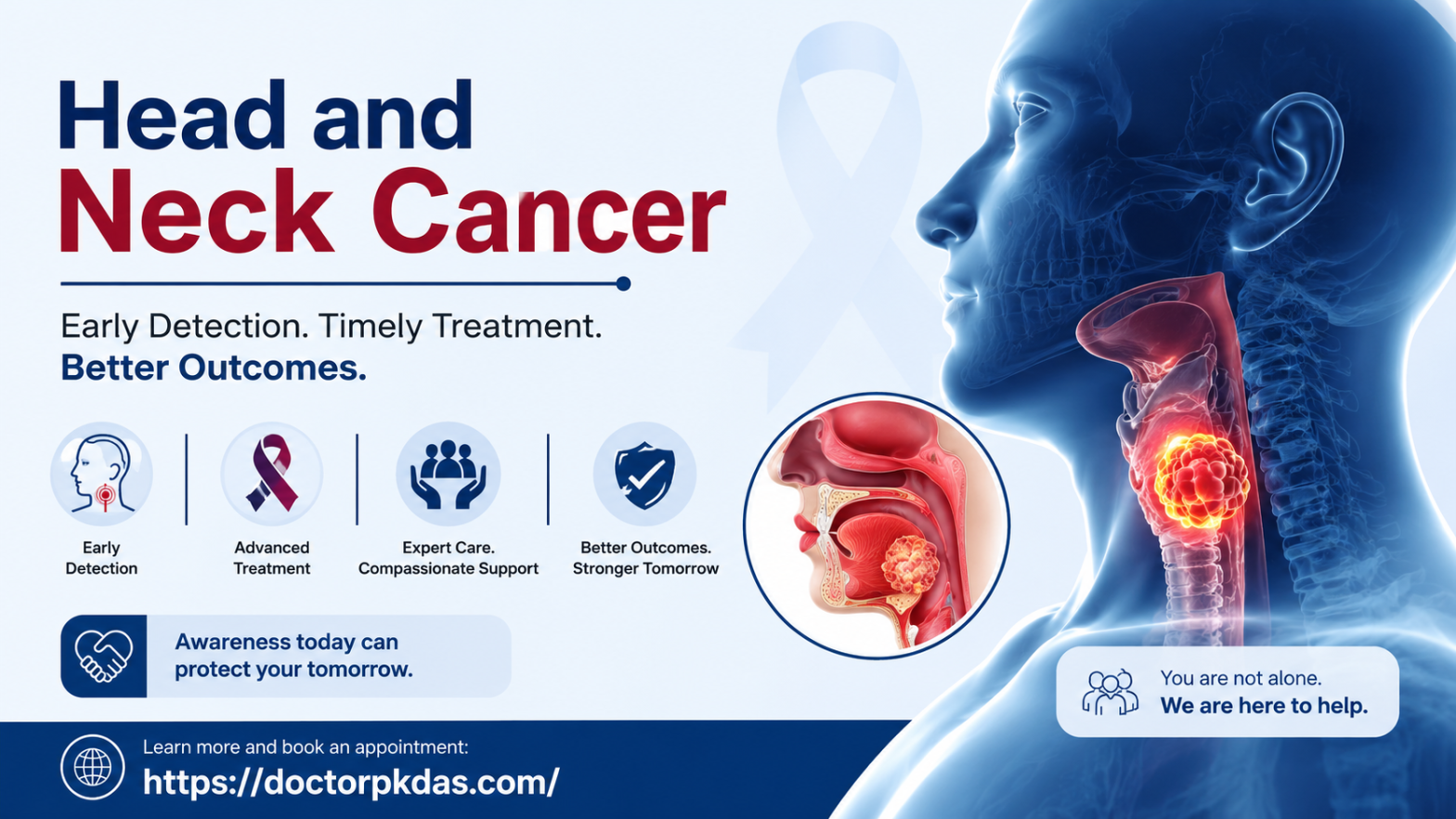
In my clinical practice, I often see how lifestyle habits can significantly influence the health of the head and neck region over time. This includes the mouth, throat, voice box, and nasal cavity, areas essential for speaking, swallowing, and breathing. When these tissues are repeatedly exposed to harmful substances, the risk of developing serious conditions, including head and neck cancers, increases.
In India, cancers of the oral cavity and surrounding regions remain a major health concern. Data from the Indian Council of Medical Research (ICMR) show that these cancers contribute to a significant proportion of cases in the country. Beyond the diagnosis, they may affect daily functions and overall quality of life.
A key part of prevention is under- standing risk factors. Tobacco use, both smoked and chewed, along with heavy alcohol consumption, are among the most common contributors. The use of chewable products containing areca nut or supari has also been frequently associated with cancers of the oral cavity. Over time, these exposures can damage the lining of the mouth and throat, leading to changes in cells.
When head and neck cancer are diagnosed, treatment is carefully tailored to each patient’s condition. Surgery, radiation therapy, and chemotherapy continue to form the foundation of care. Surgery is often used to remove the tumour, while radiation and chemotherapy help control or destroy cancer cells.
In recent years, newer approaches, such as immunotherapy, have become available to some patients. Unlike
traditional treatments, immunotherapy works by helping the body’s immune system recognise and respond to can- cer cells. In certain situations, it may be used alone or in combination with other treatments, depending on the stage of disease and overall health.
Like all treatments, these approach- es can have side effects, which require careful monitoring and management.
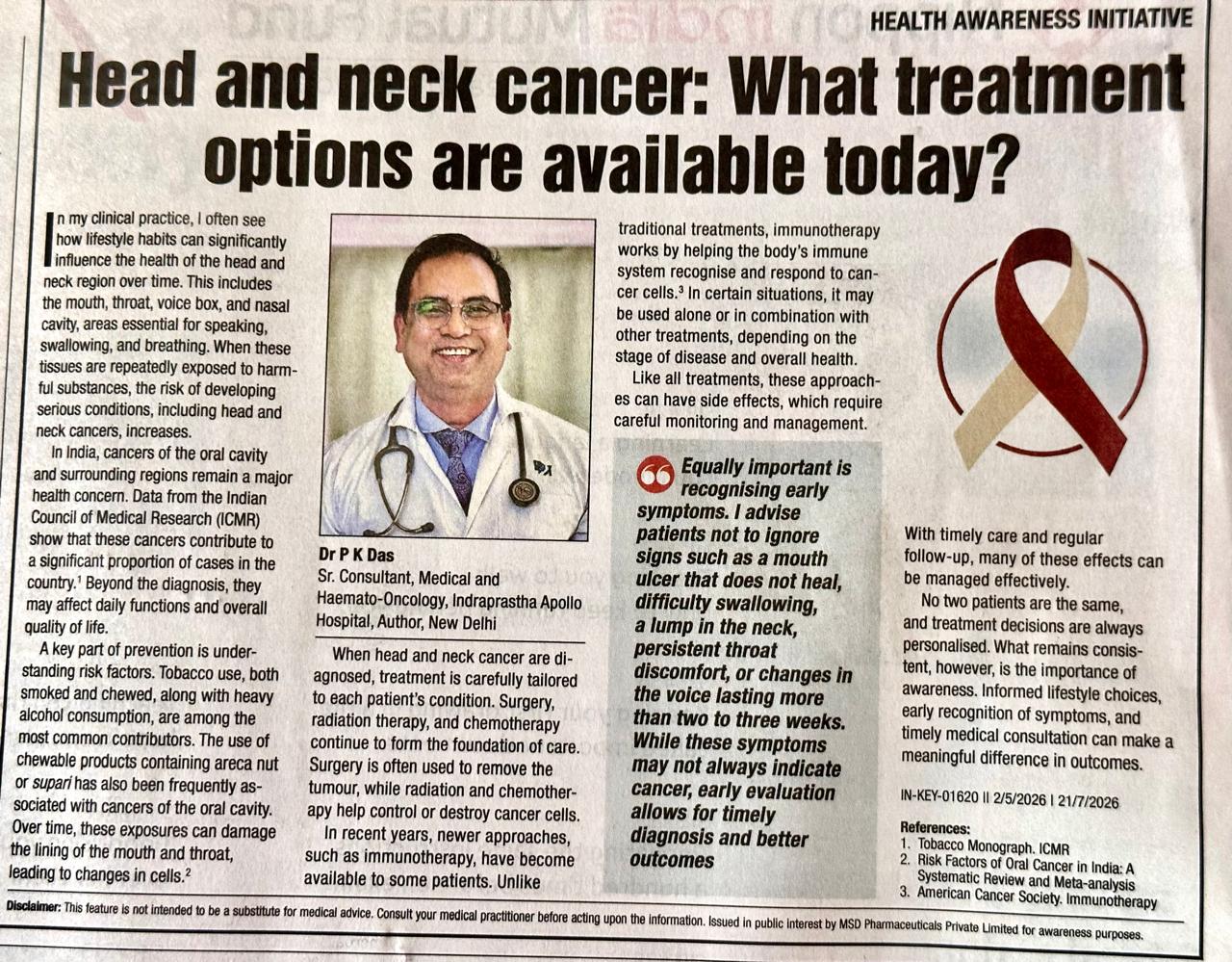
Equally important is recognising early symptoms. I advise patients not to ignore signs such as a mouth ulcer that does not heal, difficulty swallowing, a lump in the neck, persistent throat discomfort, or changes in the voice lasting more than two to three weeks. While these symptoms may not always indicate cancer, early evaluation allows for timely diagnosis and better outcomes.
With timely care and regular follow-up, many of these effects can be managed effectively.
No two patients are the same, and treatment decisions are always personalised. What remains consistent, however, is the importance of awareness. Informed lifestyle choices, early recognition of symptoms, and timely medical consultation can make a meaningful difference in outcomes.
References:
1. Tobacco Monograph. ICMR
2. Risk Factors of Oral Cancer in India: A Systematic Review and Meta-analysis
3. American Cancer Society. Immunotherapy
Disclaimer: This feature is not intended to be a substitute for medical advice. Consult your medical practitioner before acting upon the information. Issued in public interest by MSD Pharmaceuticals Private Limited for awareness purposes.